
Contact Us
UBC Recycling develops scalable aluminum recovery, processing, and export operations — transforming underutilised scrap into globally traded industrial materials.
UBC Recycling Group is building industrial-scale aluminum recovery and processing infrastructure focused on East Africa’s rapidly expanding consumer and beverage markets.
The company combines industrial processing systems, export-oriented operations, and international market integration to produce high-quality secondary aluminum materials for global industrial supply chains. UBC Recycling focuses on operational efficiency, material quality, and scalable processing capacity within globally traded secondary aluminum markets.

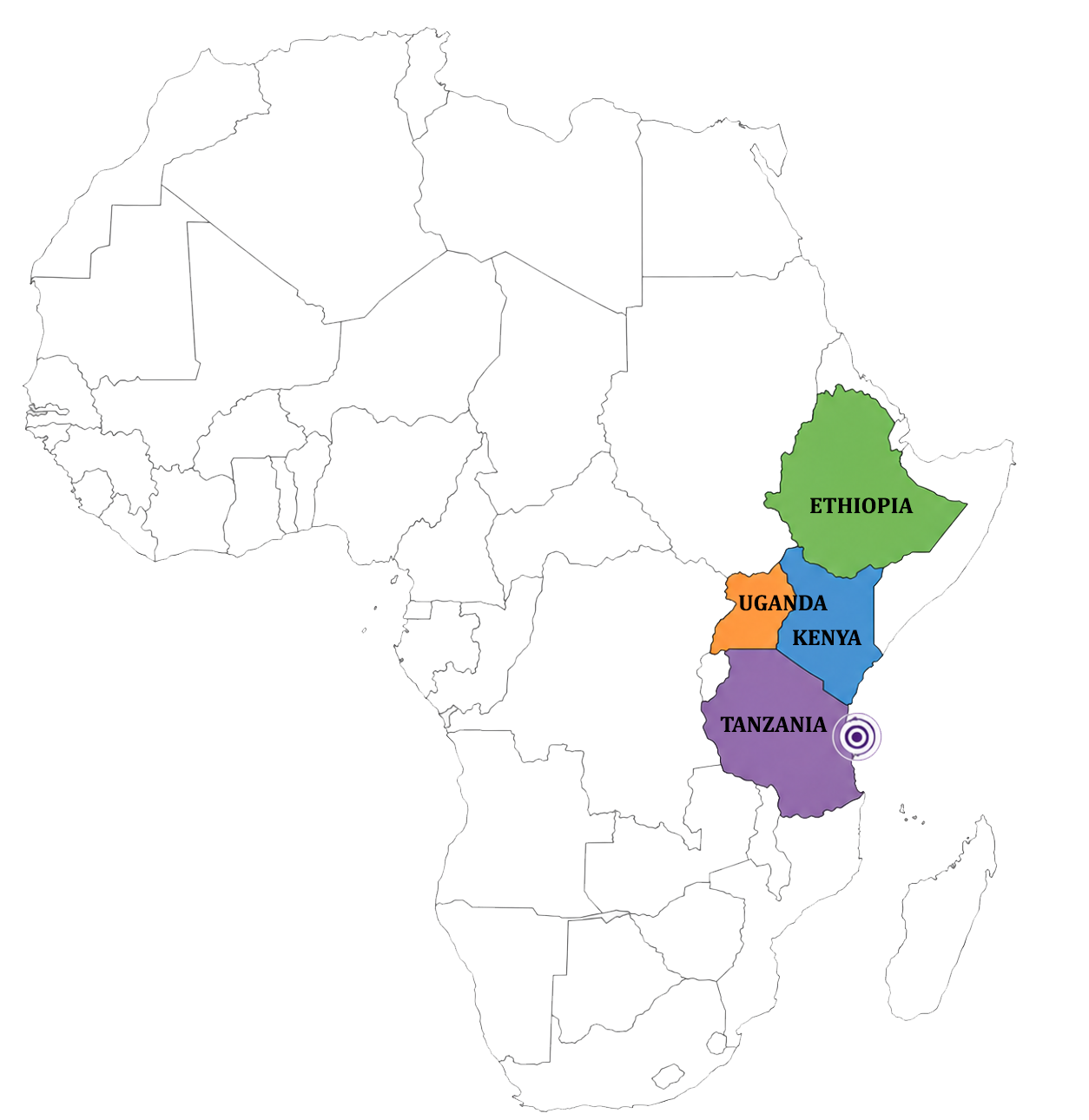
East Africa’s aluminum beverage can market continues to expand rapidly, driven by urbanization, rising disposable income, FMCG growth, and increasing aluminum packaging penetration.
East Africa’s aluminum beverage packaging market continues to expand alongside urbanization, industrial development, and growing consumer demand across the region.
Despite growing consumption, industrial recovery and processing infrastructure across the region remains significantly underdeveloped. This creates a structural gap between aluminum consumption, collection efficiency, and industrial processing capacity.
As aluminum consumption increases, secondary aluminum materials are becoming increasingly important within regional and international industrial supply chains.
UBC Recycling operates within this evolving industrial environment, supporting material recovery, processing efficiency, and export-oriented secondary aluminum flows across East Africa.
Used beverage cans represent one of the most standardized and internationally traded aluminum scrap streams globally.
Secondary aluminum materials are increasingly integrated into global industrial supply chains and international pricing structures.
Recycled aluminum requires approximately 95%less energy than primary aluminum production while maintaining strong industrial applicability.
The growing institutionalization of UBC pricing mechanisms reflects the increasing strategic importance of secondary aluminum markets within global industrial supply chains.

East Africa's urbanisation and FMCG growth are driving rapid increases in beverage can consumption. UBC volumes are already sufficient for industrial-scale operation.
No industrial-scale UBC briquetting operator currently exists across East Africa. First-mover advantage allows securing supply networks and commercial reputation ahead of future entrants.
International foundries increasingly require traceable, high-purity feedstock. ESG regulation in Europe and Asia mandates minimum recycled content in packaging — structural demand, not cyclical.
The LME/Argus UBC futures contract (live since 2023) enables transparent pricing, long-term offtake contracts, and hedging — maturing the market for institutional participants.
The environmental footprint of recycled aluminum is substantially lower than primary aluminum production. By improving collection, processing, and industrial reuse of secondary aluminum materials, UBC Recycling contributes to reduced landfill waste, lower industrial energy consumption, lower carbon intensity, and improved circular material recovery.
UBC Recycling seeks to develop long-term relationships with industrial buyers, supply partners, logistics operators, institutional stakeholders, and strategic capital partners. The company's objective is to contribute to the development of scalable and internationally integrated secondary aluminum infrastructure across East Africa.